Dental Bridges vs. Dentures: Comparing Tooth Replacement Options for Missing Teeth
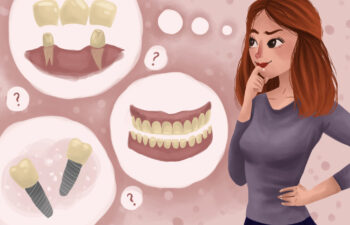
Maybe you lost a tooth recently because of decay, gum disease, or an injury. Maybe the space has been there for years, and you are tired of food collecting there or seeing the gap when you smile. Or maybe an extraction is coming up, and you want to know what your options are before the tooth is even gone.
Bridges and dentures are both used to replace missing teeth, but they fit different mouths and different priorities. A bridge stays fixed in place, while a partial denture can replace several teeth with one removable appliance. If all of the teeth in an upper or lower arch are missing, a full denture may be part of the plan.
At Curtis Family Dentistry in Mooresville and Troutman, NC, the team can look at how many teeth are missing, where the spaces are, and what shape the remaining teeth are in. Maybe you want something fixed, maybe you want to avoid putting crowns on healthy teeth, or maybe you have several gaps and would rather not treat every area separately. Those preferences can steer the treatment in very different directions.
Dental Bridges vs. Dentures
A bridge literally bridges the empty space where a tooth is missing. A common bridge has three units: a crown on the tooth in front of the gap, a replacement tooth in the middle, and another crown on the tooth behind it. Once it is cemented, the whole restoration stays in place.
A partial denture can replace teeth in several different parts of the mouth. Instead of crowning teeth around every gap or placing multiple implants, one removable appliance can be made to fit around the teeth you still have. For someone missing teeth on both sides of the mouth, that can make a lot of sense.
A full denture is different again because it replaces all of the teeth in one arch. So if you are missing one tooth, you are probably not comparing the same options as someone who is missing six or seven. The number and location of the spaces usually narrow things down pretty quickly.
When a Dental Bridge Makes Sense
A bridge may be a good option when one tooth is missing and the teeth on either side are strong enough to support it. If those neighboring teeth already need crowns because of large fillings, cracks, or other damage, using them as bridge supports may make sense. In that situation, the bridge replaces the missing tooth while also covering teeth that already needed treatment.
But sometimes those neighboring teeth are completely healthy. Choosing a bridge then means crowning teeth that might not otherwise need crowns, and that is a real tradeoff. A bridge may cost less than an implant and can often be completed faster, but you still have to decide whether preparing healthy tooth structure is a compromise you are comfortable making.
Some patients are fine with that because they want a fixed replacement and do not want implant surgery. Others would rather preserve the neighboring teeth and spend more on an implant. There is no single right answer, so the choice comes down to what those teeth look like now and which tradeoffs you are comfortable with.
How Much Space Can a Bridge Replace?
A bridge does not always have to replace just one tooth. It can span a larger space, although the longer the bridge gets, the more work the supporting teeth have to do. Those support teeth are called abutment teeth, and they have to carry the chewing pressure for the entire restoration.
A three-unit bridge replacing one missing tooth is a very common setup. If the bridge needs to replace two or more teeth in a row, however, the abutment teeth have to handle more force. Their root support, bone support, bite, and overall condition all become more important as the span gets longer.
That is where X-rays and an exam give us information we cannot get just by looking at the gap. If the supporting teeth are strong, a longer bridge may work well. If they are already weakened, asking them to carry a larger restoration may not be the best move.
When a Partial Denture Makes More Sense
A partial denture is often worth considering when teeth are missing in more than one area of the mouth. Maybe you have a gap on the upper left, another on the right, and a couple of missing teeth farther back. Building separate bridges in every area could mean crowning several healthy teeth, while replacing each tooth with an implant could mean more surgery and a much higher cost.
A partial denture can be customized around those spaces and the teeth you still have. It may use clasps or other components for support, and the design can vary quite a bit depending on where the missing teeth are. Because it is removable, you can take it out to clean it and clean the natural teeth around it.
Some patients notice the appliance against the tongue, cheeks, or gums at first, and chewing can feel different while they get used to it. Still, for the right mouth, a partial can replace several missing teeth without requiring crowns or implants in every area. That can be a good compromise for someone who wants to restore several gaps without turning each one into its own separate project.
When a Full Denture Is Used
A full denture replaces all of the teeth in the upper jaw, lower jaw, or both. It may be used when the teeth have already been lost, or when the remaining teeth are too damaged to keep. Instead of filling one or two spaces, the denture restores the whole arch at once.
Because the denture rests on the gums and the ridge underneath, there is usually an adjustment period. Chewing may feel different, and certain foods may take more practice. However, the fit can be refined, and most patients get better at eating and speaking with the denture as the mouth adjusts.
The mouth also changes after teeth are lost. Over time, the bone underneath the denture can shrink, which may make the appliance feel looser than it did when it was new. At that point, an adjustment, reline, or eventually a new denture may be needed.
What Shape Are the Remaining Teeth In?
The teeth you still have can change which options are available. A bridge needs strong abutment teeth beside the gap, while a partial denture may use several remaining teeth for support. If those teeth are healthy and well supported by bone, you may have more choices.
On the other hand, a tooth with a large crack, significant decay, looseness, or bone loss may not be a good candidate to support a bridge. The same goes for a tooth that looks fine above the gumline but has a large filling or root problem underneath. X-rays help us see those details before a restoration is built around that tooth.
Sometimes a tooth needs treatment first. A filling, crown, periodontal treatment, or another procedure may need to happen before the replacement is made. Once those issues are handled, the new restoration can be planned around teeth that are in a better position to support it.
Do You Want Something Fixed or Removable?
This is one of the biggest day-to-day differences between a bridge and a denture. A bridge stays in your mouth, while a denture comes out for cleaning and is usually removed at night. Some patients strongly prefer a fixed restoration because they do not want to think about taking anything in and out.
Others like being able to remove the appliance and clean every surface directly. A partial can also replace several teeth at once, which may be more practical if you have gaps in different areas. That flexibility can outweigh the removable part for some patients.
Neither routine is automatically better. If you already know you would hate cleaning under a bridge, say so. If you do not want a removable appliance, say that too, because the option you choose has to fit the way you actually want to live with it.
What Eating With a Bridge Is Like
Because a bridge is fixed, chewing usually feels fairly close to using natural teeth once you are used to it. The restoration should stay in place when you eat, and you do not have to remove anything before a meal. If you have been avoiding one side because of the missing tooth, getting that side back can make meals feel a lot more normal.
However, the bridge and the teeth supporting it still take chewing pressure. Very hard foods, ice, and hard candy can chip the restoration or stress the abutment teeth. Grinding and clenching can also put more force on the bridge than you may realize, particularly at night.
If the bite feels high after the bridge is placed, or one area feels sore when you chew, let the office know. A small adjustment may be all that is needed. Once the bite feels right, you should not have to keep favoring the other side.
What Eating With a Partial or Full Denture Is Like
Dentures usually take more practice because they are removable and rest partly on the gums. A partial may get extra support from the natural teeth, while a full denture relies more on the ridge underneath. Because of that, chewing may feel different from what you remember with natural teeth.
At first, softer foods and smaller bites can make meals easier. With a full denture, chewing on both sides can help keep the appliance more balanced. Then, as you get used to it, more foods can come back into your normal routine.
If the denture keeps slipping, pinching, or rubbing the same spot, however, that deserves an adjustment. You should not have to keep changing the way you eat to work around a sore area. Sometimes a small change in the fit can make a big difference.
How Do You Clean a Dental Bridge?
A bridge is brushed in place along with the rest of your teeth. The extra step is cleaning underneath the replacement tooth, because regular floss cannot pass straight down between the connected crowns. Food and plaque can collect there, so that space needs daily cleaning.
A floss threader, interdental brush, or water flosser can help reach underneath. Some patients prefer a water flosser because it feels quicker, while others like the control of threaded floss. We would rather help you find a method you will actually use than hand you one tool and assume it works for everyone.
The natural teeth underneath the crowns can still get cavities around the edges. So when you are cleaning a bridge, you are really protecting the teeth holding the whole restoration in place. If one of those teeth develops major decay or fractures, the bridge may need to be repaired or replaced.
How Do You Clean Dentures?
A denture is removed so you can clean the entire appliance, including the side that rests against the gums. With a partial, you also need to clean around the natural teeth that touch the appliance because plaque and food can collect there. That means the mouth and the denture both need regular care.
A denture brush and cleaner made for dentures can help remove buildup without scratching the material. Hot water should be avoided because some denture materials can warp. If natural teeth remain, they still need regular brushing and cleaning between them.
Most patients are also advised to remove dentures overnight unless their dentist recommends otherwise. That gives the gums time without the appliance resting against them and gives you a chance to clean everything well. Once you settle into the routine, it usually becomes part of getting ready for bed.
How Long Do Bridges and Dentures Last?
A bridge can last for many years when the abutment teeth stay healthy, the bite is comfortable, and the area is kept clean. However, a cavity or fracture in one support tooth can affect the whole bridge. Grinding and clenching can also shorten its lifespan by adding repeated pressure.
Dentures can also last for years, but the mouth underneath them keeps changing. As bone and gum tissue shift, the denture may loosen even if the appliance itself still looks fine. A reline may improve the fit for a while, while an older or heavily worn denture may eventually need to be replaced.
Either option needs maintenance. A bridge needs the support teeth checked, while a denture needs its fit and the tissues underneath checked. Regular visits give the team a chance to catch those changes before they start interfering with chewing or comfort.
What About Cost?
Cost often plays a real role in this decision. A bridge may cost less than an implant for one missing tooth, although it requires crowns on the neighboring teeth. If those teeth already need crowns, the bridge may make financial and dental sense at the same time.
If several teeth are missing in different areas, a partial denture may cost less than building multiple bridges or placing several implants. That can make it a strong option for someone who wants to replace several teeth without turning every gap into a separate treatment. On the other hand, some patients are willing to spend more for a fixed option because that is their priority.
Insurance can affect the numbers as well, so it helps to look at the actual treatment estimate rather than guessing. Curtis Family Dentistry can walk you through the cost of each option once the team knows what your mouth can support. Then you can compare the financial side with the daily care, treatment time, and how each option feels.
What About Dental Implants?
Dental implants may also be worth comparing, particularly if you are missing one tooth and the neighboring teeth are healthy. An implant can support a crown without requiring those teeth to be prepared for crowns. For some patients, preserving that natural tooth structure is a big reason to choose an implant over a bridge.
Implants can also support dentures. If a traditional denture feels like more movement than you want, implants may give the appliance additional stability. That can improve chewing and reduce shifting, although implant treatment does involve surgery and healing time.
Not every patient needs implants, and not every mouth has enough healthy bone without additional treatment. Still, if they are an option, it is better to compare them before making a final decision. You may decide the bridge or denture still fits you better, but at least you know what the other route would involve.
Which Option Fits Your Mouth and Your Routine?
Every mouth is different, so the same replacement will not make sense for everyone. You may have strong teeth beside one gap but missing teeth in several other areas. You may also want a fixed restoration in one part of the mouth while being open to a removable option somewhere else.
Your preferences should shape the plan as well. If you do not want healthy teeth crowned, say so. If you do not want a removable appliance, bring that up too, along with any concerns about cost, cleaning, or how the replacement may feel while eating.
At Curtis Family Dentistry, the goal is to find a restoration that restores your bite and smile without creating a daily routine you dislike. That means choosing something you can keep clean, maintain, and feel comfortable using every day. The right option should fit the teeth you have, the spaces that need to be replaced, and the way you want to care for your mouth long term.
Dental Bridges and Dentures at Curtis Family Dentistry in Mooresville and Troutman, NC
Maybe you are replacing a tooth that came out last month, or maybe the gap has been there long enough that you have gotten used to chewing around it. You may be preparing for an extraction and want a plan before the tooth is gone, or you may finally be tired of food collecting in the space every time you eat. Whatever brought you to this point, there are several ways to replace missing teeth, and the best one depends on what is happening in your mouth now.
Curtis Family Dentistry serves patients in Mooresville and Troutman, NC, and the team can help you compare bridges, partial dentures, full dentures, and dental implants without pushing every patient toward the same solution. If you are ready to replace missing teeth or want to understand your options before an extraction, call Curtis Family Dentistry to schedule a consultation and find a replacement that works for your teeth, your bite, and your daily routine!
Image from Authority Dental under CC 2.0